Health and Safety Policy — Garden Clearance Woolwich
This Health and Safety Policy sets out how our garden clearance and rubbish removal services operate safely across our rubbish company service area. It applies to all staff, contractors and any third parties engaged in garden waste removal, hedge cutting, clearance of green waste, domestic rubbish collection and associated activities. The aim is to prevent injury, ill health and environmental harm through clear responsibilities, proportionate controls and ongoing monitoring. This statement is endorsed by senior management and forms part of an overarching commitment to safe working practices in the garden clearance sector.
Scope covers site-based operations, vehicle loading and transportation, storage and segregation of waste types, use of hand and powered tools, handling of potentially hazardous items and interface with the public or clients on properties. The policy is intended for practical implementation by operatives on the ground and for managers who coordinate schedules within the wider rubbish collection and clearance service area.
Roles and Responsibilities
Management will ensure that adequate resources, training and supervision are available to deliver safe garden clearance and general rubbish collection work. Supervisors are responsible for risk assessments, method statements and ensuring compliance with safe systems of work. Operatives must follow instructions, use appropriate personal protective equipment and report hazards or near misses. Contractors and sub-contractors engaged for specialist tasks must provide evidence of competence and insurance before work begins.
 Risk assessment is central. Each site will have a documented assessment covering potential hazards such as manual handling, sharp objects, hidden waste, working at height, sloped ground and vehicle movements. Controls include practical measures: segregation of waste, use of mechanical aids, correct lifting techniques, implementation of exclusion zones and clear traffic management where vehicles access properties. These measures support safe rubbish collection and garden clearance activities across our operational area.
Controls, Procedures and Protective Measures
 Key control measures include:
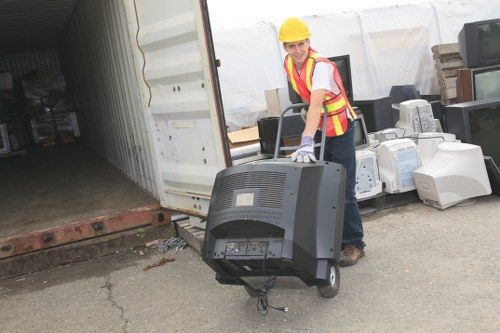
- Personal Protective Equipment (PPE): high-visibility clothing, gloves, safety boots, eye protection and hearing protection where required.
- Tool and Equipment Safety: regular checks, maintenance records and safe operation of chippers, saws and other powered tools.
- Vehicle Safety: secure loads, safe loading procedures and clear communication during loading and unloading.
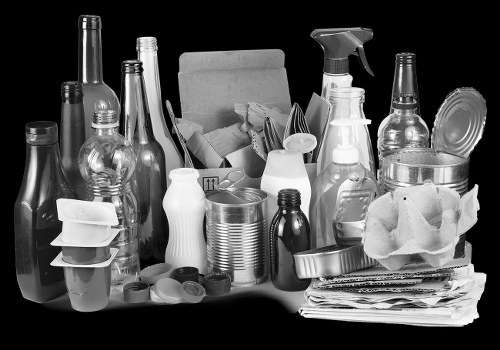
Additional controls are applied for specific waste types: clearly labelled containment for green waste, separate handling for mixed household rubbish and specialist procedures for items that may contain chemicals, batteries or oils. Operatives receive training on safe segregation and the correct use of waste containers and sacks to reduce spill and contamination risks.
Training, Competence and Supervision
Training is provided to ensure that staff are competent in the tasks they perform. This includes induction, task-specific training, refresher sessions and toolbox talks. Supervisors maintain records of qualifications and training, and monitor performance in the field. Where specialist skills are required — for example, safe use of a chipper or operation of a mechanical grab on a vehicle — only trained and authorised personnel will be assigned those tasks.
Safe work practices emphasise teamwork, situational awareness and communication. Staff are encouraged to use radios or mobile devices for essential communication, follow signage on site and ensure that members of the public are kept at a safe distance during heavy-duty operations.
 The policy also recognises the importance of mental health and wellbeing. Fatigue management, reasonable shift patterns and support mechanisms are part of our approach to maintaining alert, competent teams who can operate safely across the rubbish removal route network.
Incident Reporting, Emergency Response and First Aid
All incidents, injuries, near misses or dangerous occurrences must be reported immediately through the established internal reporting system. First aid provision and arrangements for emergency services are in place and communicated to staff. Where a serious incident occurs, prompt investigation will identify root causes and corrective actions to prevent recurrence.
Emergency response procedures include site containment, preservation of evidence, and communication protocols. Fire risks, chemical spill responses and arrangements for dealing with sharps or other hazardous materials are outlined in operational documents provided to staff and reviewed regularly.
Monitoring, Audit and Continuous Improvement
Performance is reviewed through audits, site inspections and routine checks of equipment and records. Key performance indicators include near-miss reporting rates, training completion, audit findings and corrective actions. Management will review the effectiveness of control measures and update the policy and procedures in light of lessons learned, changes in equipment or legislation and feedback from operatives.
Records are retained to demonstrate compliance and to support ongoing improvement. Where third-party contractors are used, their performance and adherence to this policy will be assessed prior to engagement and monitored during the contract.
Legal and Regulatory Alignment
This policy aligns with applicable health and safety obligations and good practice relevant to waste handling, vehicle operations and outdoor work. It is not an exhaustive legal text but provides the framework to meet regulatory expectations and to ensure safe delivery of garden clearance, rubbish removal and related services in a consistent, responsible manner.
Review Cycle: The policy will be reviewed at least annually or sooner if significant changes to operations, equipment or legislation occur. The review process includes consultation with staff, supervisors and relevant stakeholders to ensure practical, effective safety management across the service area.