Garden Clearance in Woolwich
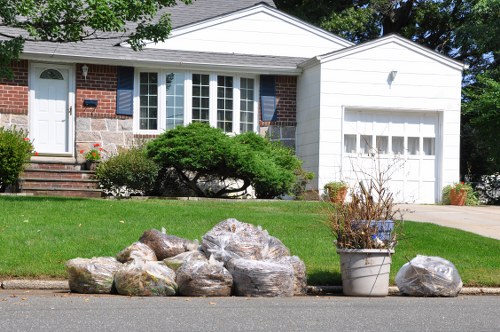
Garden clearance in Woolwich helps homeowners, landlords and property managers deal with overgrown plots, leftover cuttings, broken outdoor items and general green waste in a tidy, practical way. Our service is designed around the work that typically builds up in gardens over time: branches, hedge trimmings, soil bags, old plant pots, damaged sheds, outdoor furniture and mixed debris that no longer belongs where it sits. We focus on removing the waste and leaving the space ready for its next stage, whether that means regular maintenance, replanting or a fuller outdoor project.
The work can be scaled to the condition of the garden and the access available. Some clearances are straightforward, involving a single pile of waste and a few bulky items; others need a fuller sort through of beds, paths, borders, corners and storage areas. We can handle mixed garden materials alongside non-hazardous household items where appropriate, helping you avoid multiple trips to the tip. If you are arranging a property sale, preparing for letting or simply reclaiming a garden that has become difficult to manage, a clear, organised clearance is often the most efficient first step.
For a sensible plan and a quotation based on the actual load, use the service details below and send through the basics when you are ready. Start with what needs removing, then we can shape the job around access, volume and the type of waste involved.
What our garden clearance covers
Garden clearance usually begins with visible waste, but the most useful jobs often include the less obvious material as well. That can mean lifting loose branches from behind sheds, gathering bagged clippings, taking away old compost sacks, collecting broken ornaments or disposing of weathered outdoor storage that no longer serves a purpose. The aim is not just to empty a space quickly; it is to remove items in a way that leaves the garden safer, easier to use and easier to maintain afterwards.
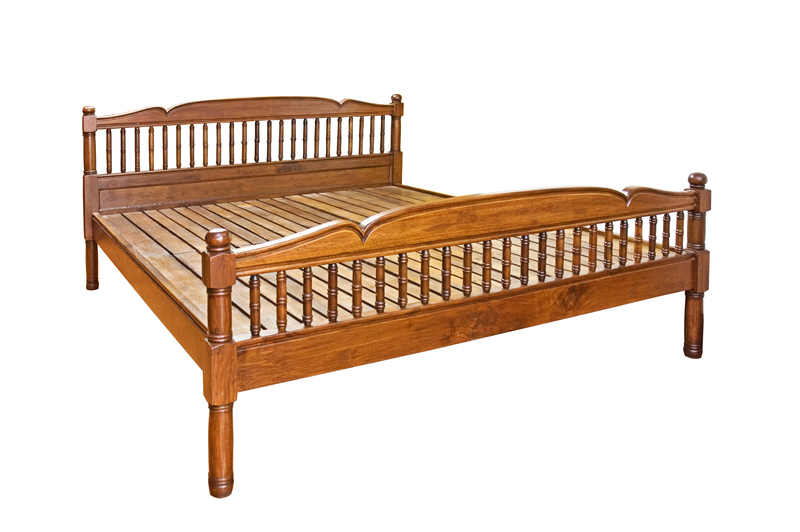
We also deal with mixed outdoor clutter that sits between gardening and general household clearance. In practice, that may include garden chairs, children’s outdoor toys, plant stands, barbecues, plant containers, fencing offcuts and similar items. Where the job includes heavier objects, we plan the removal so that the route out of the property is practical and does not add unnecessary disruption. If you have a combination of green waste and non-green waste, it is often better to treat it as one organised removal rather than splitting it into several separate tasks.
The key decisions are often about what should be removed, what should stay and how much sorting needs to happen on site. Some gardens are ready for clearing in one visit, while others benefit from a more careful approach that leaves compostable material separate from reusable or recyclable items. That distinction matters because it affects the handling, vehicle space and disposal route. A well-planned clearance should fit the condition of the garden rather than forcing the garden to fit a rigid checklist.
Overgrown spaces, cutbacks and seasonal waste

Many customers contact us when a garden has moved beyond simple tidying and needs a proper cutback. Overgrown borders, self-seeded growth, tangled climbers and dense piles of seasonal waste can all make a space awkward to use. Garden clearance in these situations is about regaining control in manageable stages: lifting the bulk of the waste first, then leaving the remaining surface easier to inspect and maintain. That approach is often better than trying to work around clutter that hides what is underneath.
Seasonal waste can include the aftermath of pruning, hedge work, leaf fall or a long period without maintenance. Once material begins to accumulate in layers, it is common for smaller items to become trapped under larger ones, especially near fences, sheds and compost areas. A practical clearance takes account of those hidden layers and separates what can be moved from what is tangled into roots, branches or damaged structures. Where necessary, we can remove the loose waste first and then deal with the heavier items in the same visit.
Because every garden is different, it is usually worth being specific about the areas that need attention. If you have photos, a short list and a note about access, that helps turn an enquiry into a more accurate estimate without unnecessary back-and-forth. For more details on costs and the factors that shape them, see the pricing and quotes page. If you are ready to talk through the job, please ask for a quotation.
Bulky outdoor items and mixed waste removal
Not every garden clearance is made up of leaves and clippings. Outdoor spaces often collect broken or outdated items that are awkward to move and too large for ordinary household bins. That may include timber offcuts, dismantled planters, old decking pieces, damaged chairs, cracked storage boxes or rusting metal items left from previous projects. We remove these items as part of a structured clearance so the space can be put back into use without the clutter remaining around the edges.
Where the garden contains a mixture of bulky and loose waste, it helps to group the items sensibly before removal begins. Heavy material can usually be stacked separately from lighter waste, which makes loading more efficient and reduces the chance of leaving small pieces behind. In some cases, there may also be unrelated items stored outdoors for convenience rather than because they belong there. We can remove suitable non-hazardous materials with the clearance, provided they are included in the scope from the outset.
Useful items to mention when requesting a quote include:
- any large pieces such as furniture, boards or sheds
- the approximate number of waste piles or bags
- areas with limited access, steps or narrow side passages
- anything that should stay in place, such as planters or fixed fittings
Garden clearance for landlords, trades and property turnarounds
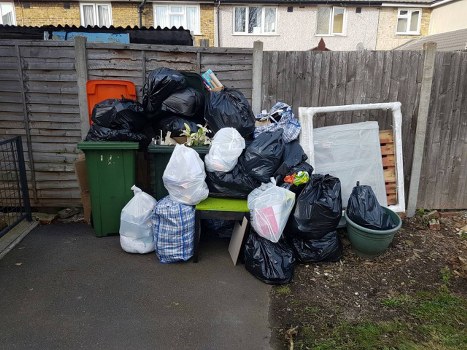
For landlords, agents and property managers, garden clearance often forms part of a wider turnaround between occupancies or after a period of neglect. The priority is usually to restore order quickly enough for the next stage of work, whether that means inspection, basic maintenance, re-letting or handover to another contractor. We can remove garden waste and other suitable outdoor debris so the space is no longer holding up the wider schedule. The service is particularly useful where time has been lost dealing with a property that has been left with accumulated waste.
Trade customers may also need clearance before landscaping, fencing, turfing or repair work can properly begin. In those cases, the main issue is rarely just appearance; it is access and preparation. Clearing old timber, loose branches, damaged pots or long-standing debris gives other work a better starting point and helps avoid interruptions once tools and materials are on site. If the garden contains mixed materials from previous jobs, we can usually factor that into the removal plan rather than treating each item as a separate job.
Supportive scheduling matters here. A brief description of the job, a note on whether waste is bagged or loose, and confirmation of any locked gates or shared access points are usually enough to begin shaping the work. If the removal is part of a larger property plan, keep the scope clear so the quotation reflects the actual task rather than a guess. Our aim is to make the clearance straightforward to organise and practical to complete.
How we handle access, loading and sorting
Garden clearance is easier to organise when access is understood from the start. Narrow side passages, rear alleyways, shared entrances, steps and uneven paths can all affect how the waste is moved out. That does not necessarily make the job difficult, but it does influence the loading plan. We work around the route available and choose the most efficient method for the waste involved, rather than assuming every garden can be handled in the same way.
Sorting is another important part of the process. In a typical clearance, different materials may need to be separated so they can be handled appropriately after collection. Green waste, reusable outdoor items and mixed debris do not always behave in the same way, and a clear plan helps avoid confusion on the day. A careful approach also reduces the risk of leaving small scraps in corners, under bushes or behind larger items where they are easy to miss.
Good preparation does not need to be complicated. A short message describing the waste, the size of the area and any access restrictions is often enough to begin. If you can, keep the parts you want to retain clearly apart from the material that needs removing. That simple step makes the clearance more efficient and helps us quote for the actual work instead of making assumptions about what should go.
About Woolwich
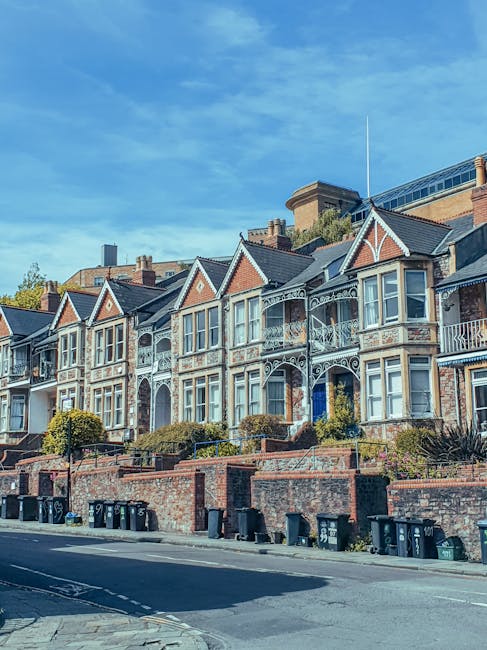
Woolwich is a historic riverside district in south-east London, positioned on the south bank of the River Thames within the Royal Borough of Greenwich. For centuries it has been shaped by military, industrial and transport history, with the Royal Arsenal standing as one of its best-known landmarks. The area developed around river trade, gunpowder production and ordnance manufacturing, and its streets still reflect that long working history in a mixture of older buildings, redeveloped sites and modern residential blocks. Woolwich Dockyard and the nearby riverfront also speak to the district’s maritime past, while present-day transport links connect it to the wider capital through rail, DLR and the Elizabeth line.
The district contains a varied built environment that ranges from Georgian and Victorian structures to large-scale contemporary schemes. Wellington Street, Beresford Square and the restored parts of the Arsenal area show how commercial life, housing and heritage sit side by side. Green space is part of the local character too, with Woolwich Common providing open ground and views of the surrounding urban fabric. The town centre has long functioned as a focal point for shopping and daily activity, and the river crossing tradition remains important through the Woolwich Ferry, which continues to link the two sides of the Thames. Together these features give Woolwich a layered identity that combines history, movement and ongoing change.
Woolwich also has strong civic and cultural associations. The Royal Arsenal’s conversion has brought new housing and public realm to an area once dominated by restricted industrial use, while older civic landmarks such as the Royal Artillery Barracks help preserve the memory of the district’s military connections. Local life is shaped by the balance between the river, the common, the town centre and the newer residential quarters, making Woolwich a place where historic significance and everyday city living are closely interwoven.
Clearance for gardens after building or landscaping work
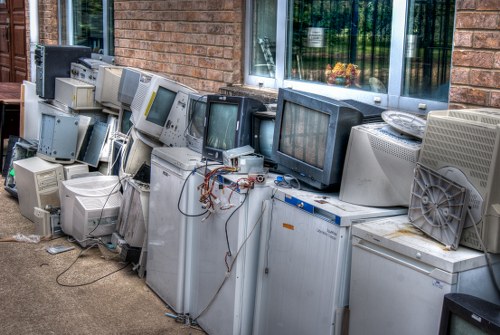
Gardens often need a separate clear-out after building or landscaping work has finished. Offcuts, packaging, excess soil, broken paving pieces and leftover timber can quickly turn a usable outdoor space into a working yard full of debris. In these situations, the clearance task is about removing the remnants that are no longer needed so the finished space can be seen properly and used without obstruction. It is common for the final stage of the project to be more effective once all surplus material has gone.
We can remove a wide range of post-project waste, provided it is suitable for clearance and described accurately in advance. Some jobs are dominated by green waste that has been cut back to make room for construction or planting; others involve a mix of rubble, packaging, timber and old garden materials. The more clearly the waste is described, the easier it is to plan the loading sequence and keep the quotation grounded in the real contents of the site. That matters when the job combines outdoor and non-outdoor material in one location.
For the best result, it helps to think of the clearance as the bridge between the end of the work and the point where the garden becomes practical again. Removing what is left behind can make a strong difference to how complete the space feels, especially where piles of material have been sitting in corners or along boundaries. If that describes your property, ask for a quotation and we can assess the removal properly.
Practical choices before you book
There are a few practical choices that make garden clearance easier to scope. First, decide whether you want every item removed or whether there are pieces to be left in place for reuse. Second, note any waste that is still attached to the ground, fence or structure, as that may change the effort involved. Third, tell us if the garden includes items stored behind locked gates, in side returns or under cover. These details help us work out what is involved without turning the process into a long exchange.
It is also helpful to mention any material that should be treated carefully, such as ornaments you want retained, planted containers not to be moved, or items that are fragile despite looking like general waste. A good clearance keeps the job focused while respecting what needs to stay where it is. If several kinds of waste are present, the most efficient approach is usually to describe them together rather than sending separate requests for each one. That gives a more realistic picture of the work and avoids confusion later on.
When you are ready, keep your request simple and specific. A brief outline of the garden, the waste and the access is enough to begin. If the scope suits your property, we can then provide a quotation and discuss the most sensible way to carry out the clearance. Contact us to request a quotation.
Recycling, disposal and the end result
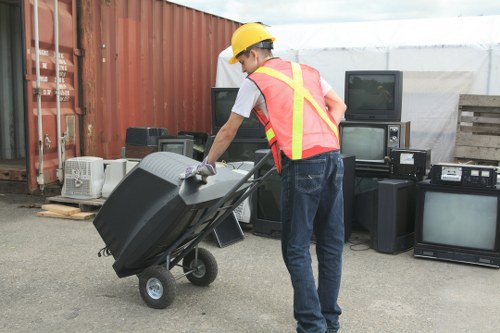
Once a garden clearance is complete, the remaining question is how the removed material should be handled. Different items are dealt with according to their type, condition and suitability for further processing. Green waste may be separate from mixed debris, and reusable outdoor items may need a different route from damaged or contaminated waste. The point of a professional clearance is that the collection itself is only part of the job; the handling after removal matters too, especially where the garden contained several material types in one area.
For the customer, the main benefit is a space that is easier to inspect, maintain and repurpose. A cleared garden is simpler to measure, safer to walk through and more straightforward to plan around. That is useful whether you are preparing for planting, getting ready for repair work or simply returning order to a space that had become difficult to manage. The result should feel like a proper reset, not just a hurried lift-out of the obvious waste.
If you need garden clearance in Woolwich, we are ready to help with the removal, sorting and loading of suitable outdoor waste. Use the service information on this page to judge the scope, then send the details that matter. Ask for a quotation when you are ready, and we will take it from there.